The local story
While much of Springfield slept, The Post’s printing plant helped put the next morning on paper. A firsthand tour report from 2015 described about 650,000 copies on a typical nightly run, with Sunday editions reaching about 850,000. Presses generally started at 10:45 p.m. and finished the last edition between 3:30 and 4 a.m. Those are historical figures, not today’s output.
Now The Washington Post is preparing to leave its longtime printing plant at 7171 Wimsatt Road, near Backlick Road and just inside the Capital Beltway. The print newspaper is continuing. The Springfield factory is the part of the operation reaching the end of its run.
The immediate stakes are employment and a move to Sterling. The longer-term question is the future of roughly 40 acres of industrial land. Here is the history behind the landmark, the evidence for the transition, and the questions a closure announcement does not answer. Reporting checked November 6, 2026.
What is changing
A closure notice, a smaller plant, and a date that needs careful reading.
Virginia Works lists an October 7 notice for The Washington Post at 7171 Wimsatt Road: a closure affecting 118 employees, with December 31, 2026 as the effective date. October reporting independently describes layoffs tied to the move. These are production-related jobs, not simply another announcement about newsroom staffing.
The WARN effective date is not the same thing as a verified time for the final Springfield newspaper to come off the presses. Early reporting quoted a Post spokesperson saying relocation would happen no earlier than January 2027. An April supplier announcement subsequently targeted production around Thanksgiving. By November 3, the new equipment was in testing and staff training.
Those milestones can describe different stages of a transition. As of this reporting check, the final Springfield run and the start of full regular production in Sterling have not been independently confirmed. The accurate description is that the move is underway, not that every press has already stopped.
| Date | What it establishes |
|---|---|
| October 7, 2026 | Notice date recorded by Virginia Works |
| November 3, 2026 | Industry report describes test runs and training in the new facility |
| December 31, 2026 | Effective date in the workforce notice, not a confirmed final press-run time |
Built for the print era
In 1980, Springfield became a $60 million investment in the newspaper’s future.
The Post’s corporate history dates the formal opening to November 1980. The original satellite plant cost $60 million and covered 397,000 square feet. Its presses could produce a 128-page newspaper at about 75,000 copies an hour. Those figures describe the original facility and its stated capacity, not a current daily run.
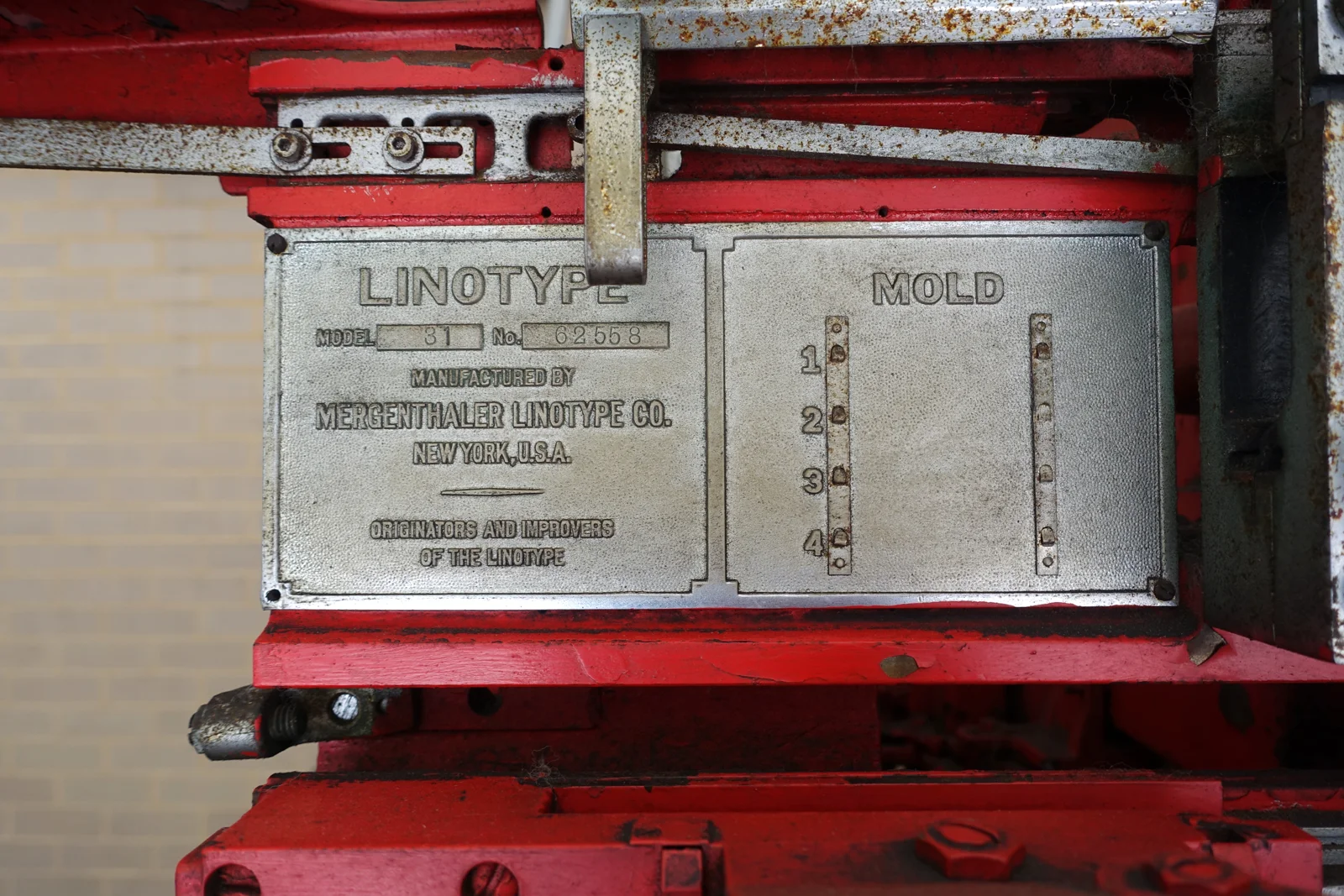
The timing mattered. In October 1980, the newspaper converted from hot type to photo-electronic, or cold-type, composition. Stories could be written and edited on video display terminals. The new Springfield plant belonged to that transition from metal type toward an increasingly electronic production process.
Color printing began at the renovated Springfield facility and a new College Park plant in 1999. A decade later, the company closed College Park in July 2009 and consolidated printing in Springfield, as its 2010 annual report records. The satellite had become the center of a consolidated operation.
The technology Springfield helped leave behind
Inside the overnight factory
The presses were only one part of a carefully timed chain.
The American Printing History Association’s May 2015 tour offers a firsthand glimpse of the work. Visitors saw digital files exposed onto printing plates by laser, then plates mounted on presses. Below the pressroom, roughly 2,500-pound paper rolls fed upward through the floor. A fresh roll could be spliced into the moving paper stream without stopping the press.
Automated guided vehicles moved newsprint rolls into place, while operators monitored color and registration from a control console. Advertising supplements also had to be collated and wrapped. The nighttime run was a manufacturing system involving people, software, heavy machinery and delivery preparation, not merely a large office printer.
That makes the building’s departure a local industrial story as well as a media story. A newspaper has reporters and editors, but it also has press operators, maintenance crews and drivers. Without the physical production and distribution work, the printed edition does not reach a reader’s hands.
The workers
118 affected employees does not mean every employee has the same outcome.
TheWrap’s October 14 report identifies press operators, machinists, maintenance employees and circulation drivers among the workers affected. A source familiar with the plans told the publication that roughly half of the Springfield plant’s overall workforce would relocate.
That distinction is important: the report did not establish how many, if any, of the 118 employees in the notice would transfer. It would be misleading to treat “half are moving” as reassurance that half of those listed for layoffs already have jobs secured in Sterling.
For neighbors, the employment impact should not disappear behind speculation about real estate. A familiar sign may remain on a building for a time, but a workplace is also routines, skills and relationships built over years. This article does not presume to speak for individual employees or their plans.
The Sterling operation
A much smaller footprint, with printing staying under the Post’s control.
The new facility is near Dulles Airport and Loudoun Gateway Metro station. Equipment supplier imPRESSions Worldwide describes approximately 60,000 square feet, compared with nearly 500,000 square feet at Springfield. Using those rounded figures, the new building area is about 12 percent of the old footprint. This is a floor-area comparison, not a measure of lost printing capacity.
The supplier’s April announcement specifies a Goss Urbanite press with 28 printing units, three folders and the ability to print color on every page. Automated controls are intended to improve consistency and reduce setup waste. The announcement emphasizes that The Post is keeping control of its print production rather than abandoning the printed product.
GXpress’s November 3 update adds operational detail: staff were training as engineers made final adjustments. An eight-station Müller Martini inserter had been moved, and additional digital printing and finishing equipment was planned for relocation. The presence of test copies shows progress; it does not by itself establish that normal production has fully transferred.
The land
What happens to roughly 40 acres near the Beltway?
January reporting described the Springfield plant as occupying about 40 acres and said the property’s future was undetermined. Other reporting said the company was considering a sale. Neither statement establishes that a sale has closed, that demolition is approved or that a particular replacement project is coming.
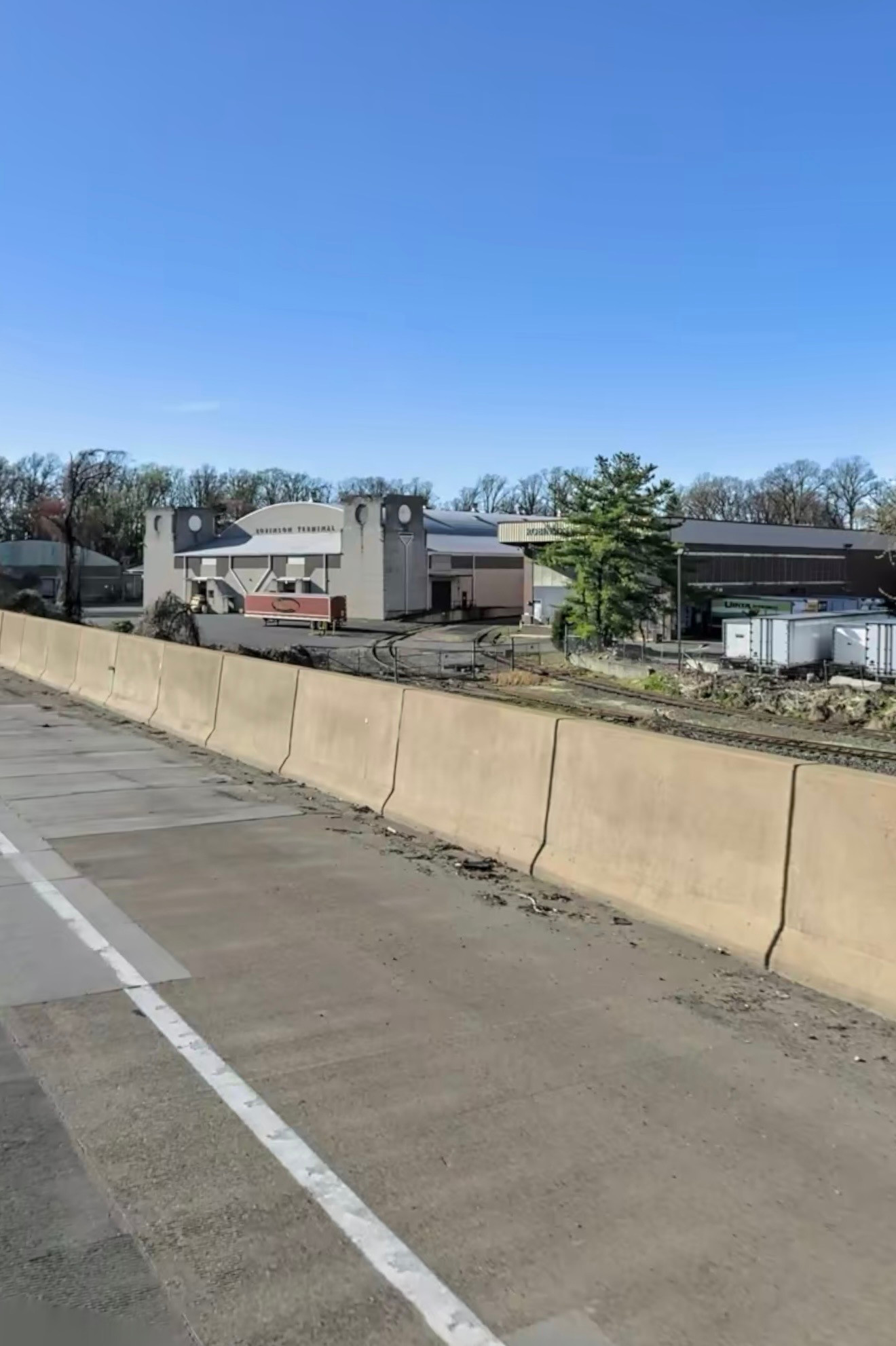
The site sits in an industrial setting with other warehouse and distribution uses. That helps explain why its future is worth watching, but nearby activity is not evidence of a plan for this parcel. No replacement development application, completed sale or demolition approval was established by the sources reviewed for this article.
The neighborhood has a history with this industrial edge. The North Springfield Civic Association’s anniversary timeline says the plant opened with an agreement for a 50-foot conservation easement separating the plant and Robinson Terminal from the community. That is a historical account, not a current title opinion: the precise recorded boundaries, terms and present legal status would need to be checked before drawing conclusions about future development.
The next useful evidence would be a recorded property transfer, an announcement from the owner or a county filing identifying a specific use and site. Those documents would answer different questions. A sale identifies a transaction; a plan describes an intention; an approval establishes a permission. None should be substituted for the others.
If a future proposal needs a Comprehensive Plan amendment, Fairfax County’s process includes Planning Commission and Board of Supervisors public hearings. The actual review path would depend on the proposal and existing permissions. The printing plant’s closure alone does not create a scheduled redevelopment hearing.
The next chapter
What Springfield should watch for next.
There are three distinct follow-ups: when the last regular Springfield run happens, how the transition affects the people who work there, and what the owner eventually proposes for the land. An update on one does not settle the other two.
The building’s story also deserves to be preserved before its next use is known. Former employees, newspaper carriers and people who toured the plant can explain the human side of a place most residents experienced from outside. If you have a firsthand memory, distinguish what you personally saw from what you heard later.
For now, the clearest conclusion is also the most interesting: The Post is investing in another printing operation while leaving the Springfield factory built for a much larger print era. Northern Virginia is losing a familiar workplace, not necessarily the newspaper on the doorstep.
Why this matters locally
Springfield is losing a familiar workplace. Its workers, its history and the land’s future deserve separate attention.
Did you work at the plant, tour it, deliver its newspapers or grow up recognizing the sign? What do you remember?
Sources and further reading
Where the reporting comes from.
This article draws on public records, official statements, and attributed local reporting. Each link opens the original source.
- Virginia Works: WARN notices ↗
- The Washington Post: corporate history ↗
- American Printing History Association: May 21, 2015 Springfield tour ↗
- 2010 annual report: College Park closure and consolidation ↗
- imPRESSions Worldwide: April 9, 2026 equipment announcement ↗
- GXpress: November 3, 2026 testing and training update ↗
- FFXnow: January 29 relocation report ↗
- TheWrap: October 14 workforce and relocation reporting ↗
- FFXnow: October 15 closure and layoffs report ↗
- Fairfax County: Comprehensive Plan amendment process ↗
- Daderot: Washington Post Linotype photograph, June 11, 2015, CC0 ↗
- North Springfield Civic Association: 60th-anniversary neighborhood timeline ↗
- USGS The National Map: USDA aerial photography, October 11, 2023 ↗